My creative process, step by step
This page shows how I research creative and analyze competitors before anything goes into production. The examples come from a research run on Clue, a period-tracking app, in October 2026.
Example: Clue · Evergreen acquisition · October 2026The six steps
- Brief Set the objective, KPIs, audience and restrictions.
- Research Collect ads, organic posts, reviews and reports.
- Competitive analysis Compare competitors' creative and find gaps.
- Hooks + briefs Write hooks, creator briefs, and set format mix.
- Produce + launch Brief creators and launch in small batches.
- Read + learn Review results and feed them into the next brief.
Steps 2 and 3 are covered in detail below.
Brief
Before research starts, I write a one-page brief. It sets what the creative needs to achieve, who it's for and what it can't say.
- Brand
- Clue — period and cycle tracking app, Berlin
- Objective
- Acquisition: installs → registrations → Clue Plus
- KPIs
- D7 ROAS, CPR, blended CAC, LTV:CAC
- Audience
- Women and people with cycles. Paid subscribers skew 30s.
- Markets
- US, UK, EU. English first.
- Restrictions
- Claims go through Science and Legal review. No contraception claims. The brand prefers real users and small creators to celebrities.
Research
I collect around 60 references per run across paid ads, organic posts, customer reviews and reports. Each one is tagged in a shared database.
- 2.1Pull active ads for the brand and each competitor.MotionMeta Ad LibraryTikTok Commercial Content Library
- 2.2Collect organic short-form and long-form posts in the category.TikTok Creative CenterYouTube
- 2.3Read reviews and forum threads for the words customers use.App Store and Google PlayGummySearch
- 2.4Read the latest creative benchmark reports.Industry reports
- 2.5Tag every reference by brand, format, hook and how long it has run.ClaudeNotion
Reference targets
Format targets are set in the brief. Any shortfall is noted in the summary.
References database
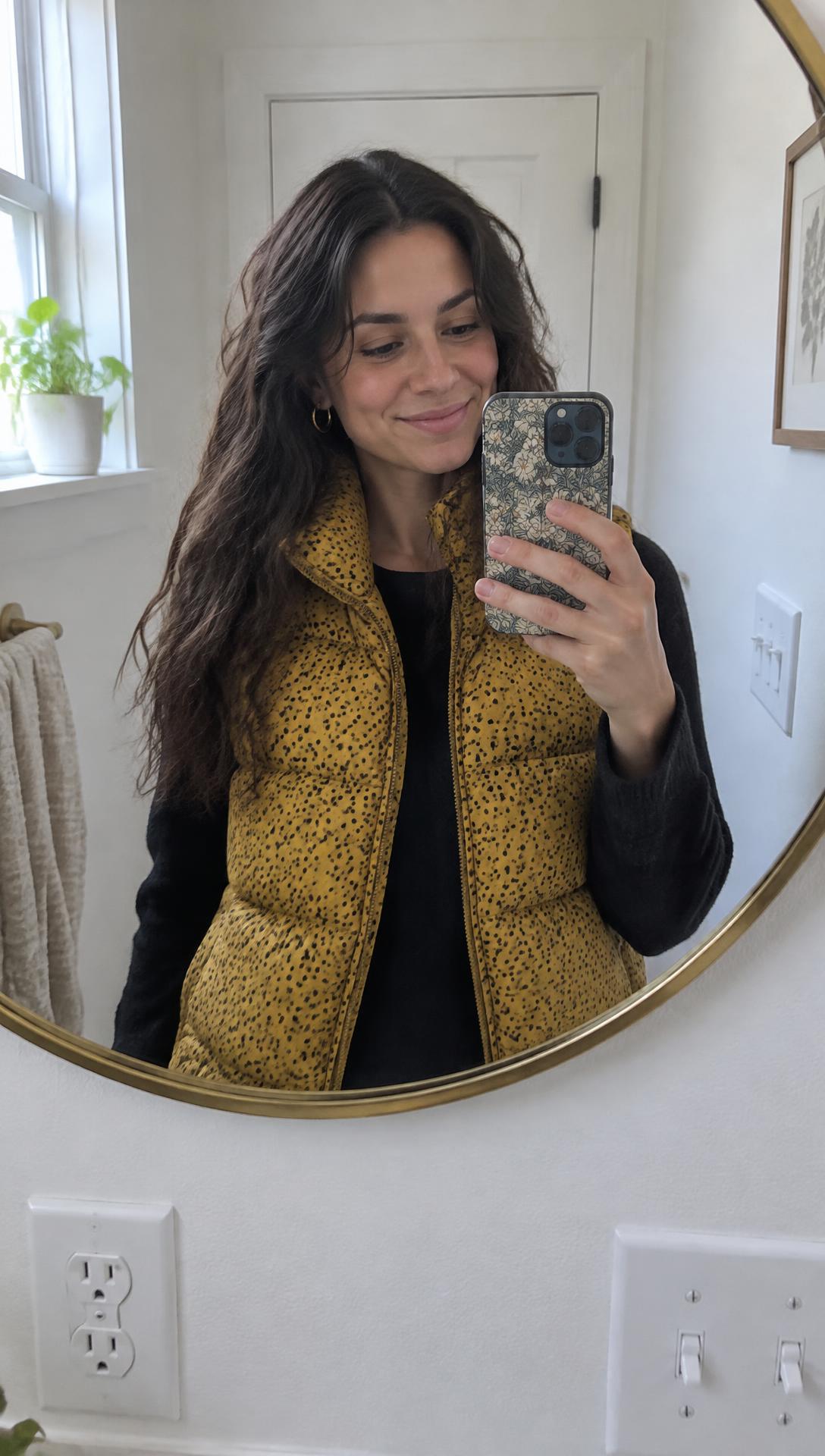

here is what I tell
people starting
their journey…
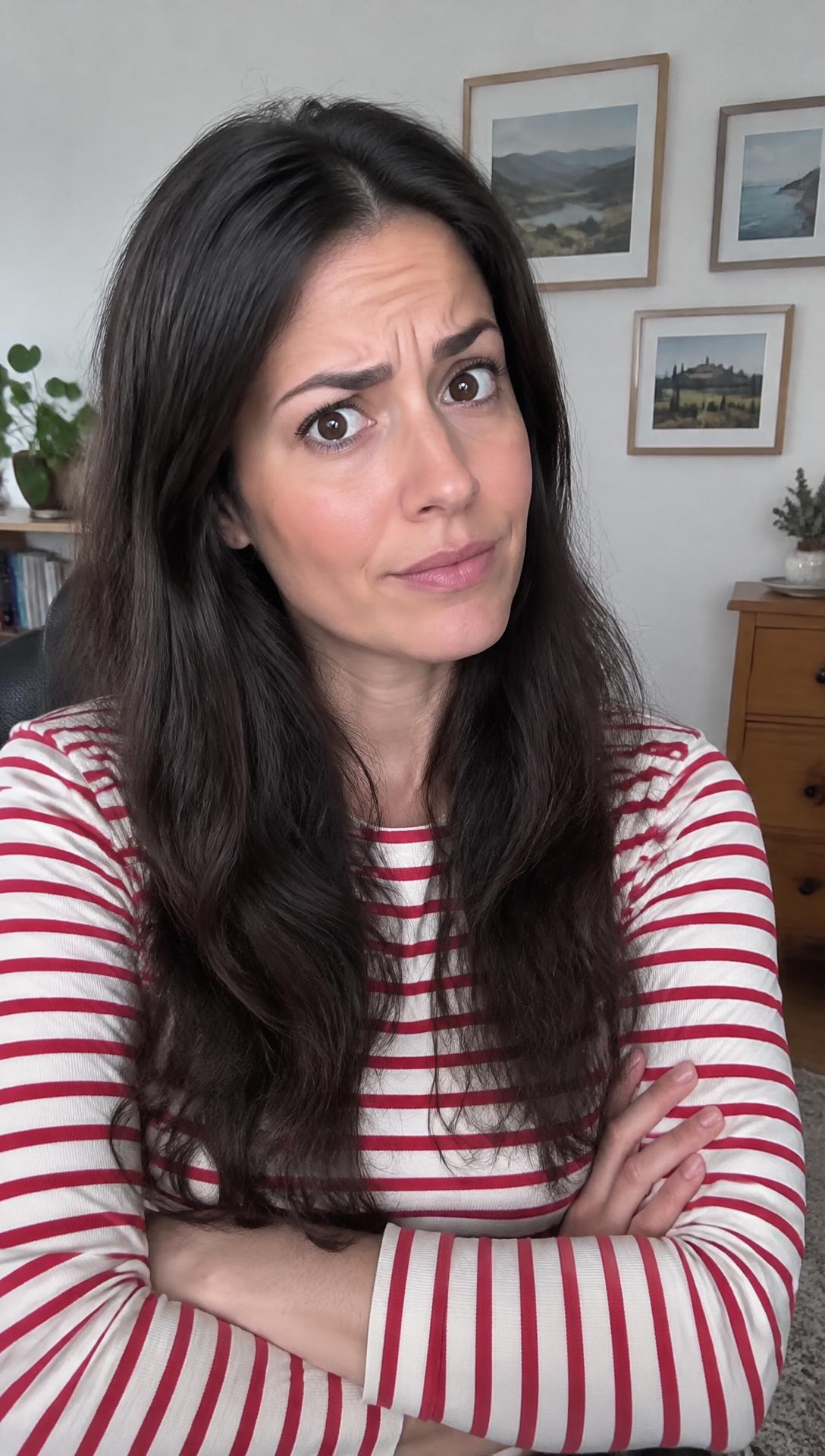
most period tracker
apps are
owned by MEN?
No worries besties,
I found a
women led one.
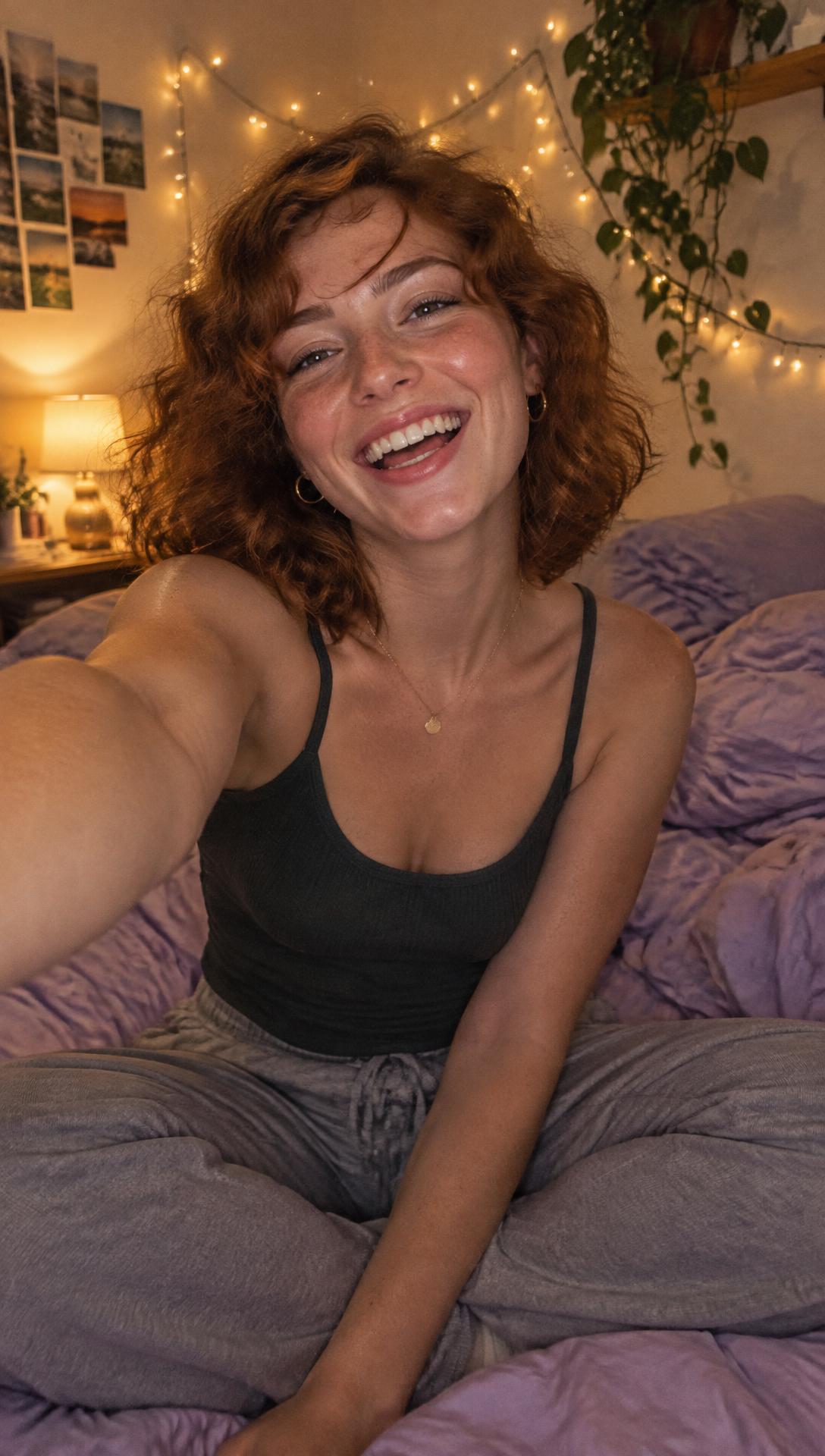
who get it
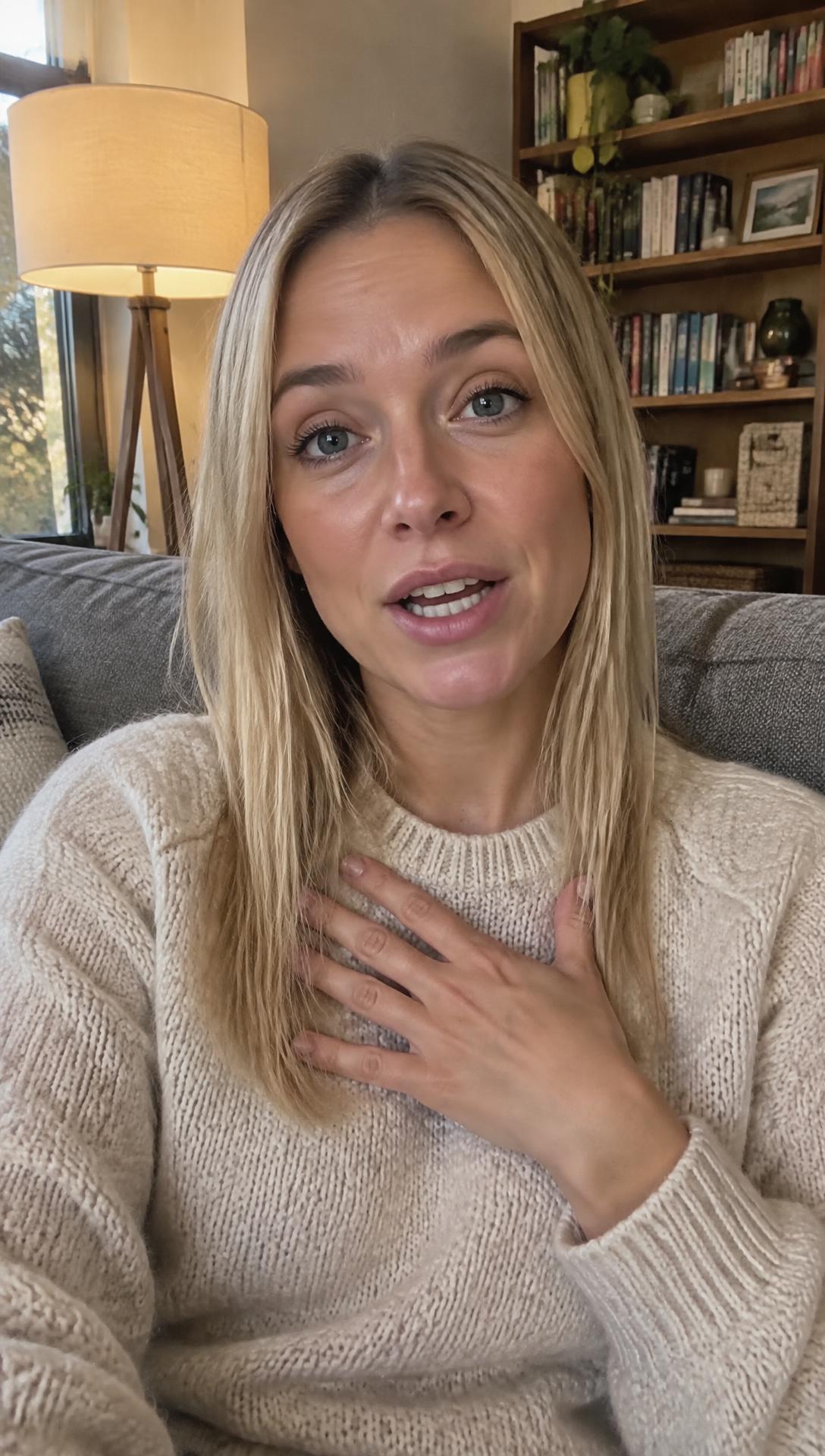
Brüste weh?


 YouTube
Thumbnails are recreated stills. The original ads are in the public ad libraries.
Competitive analysis
With the references tagged, I compare what each competitor runs, check it against industry benchmarks and list what the brand isn't doing yet.
- 3.1Group competitors into direct, adjacent and aspirational.Notion
- 3.2Compare formats, hooks and how long each ad has run.MotionMeta Ad LibraryTikTok Commercial Content Library
- 3.3Check the findings against industry reports.Industry reports
- 3.4List formats and audiences competitors cover that the brand doesn't.ClaudeNotion
25+ active Meta ads use the same line. The creator and first frame change from ad to ad.
Clue is testing creators against a fixed message. New messages may be getting less testing.
Natural Cycles has run one review across six creatives for about six months. Calm's review static has run 275 days.
With a 4.8-star rating, Clue has enough reviews to run the same format.
Report says
AppsFlyer: UGC tutorials beat testimonials on IPM and D7.
Observed
Screen recordings are Flo's largest format. No Clue screen-recording tutorial was found.
Hypothesis
A screen-recording walkthrough from a long-time Clue user could beat Clue's current UGC on IPM.
Flo runs one static. Clue has one skit.
No Clue ads found outside English.
None found for Clue. The app has 4.8 stars.
Flo has started on this. Clue hasn't.
Hooks + briefs
Steps 2 and 3 turn into hooks to test, creator briefs and a format split per channel.
“Why do I cry at every ad the week before my period? Let's ask Clue.”
“Perimenopause showed up uninvited. Here's how I figured out it was hormones.”
“Already wearing an Oura or WHOOP? Your cycle data is half done.”
- Text-over-music UGC under 15s 40%
- Voiced UGC 20–45s 30%
- Statics 20%
- Screen recordings 45–75s 10%
Steps 5 and 6
Creators get the briefs and ads launch in small batches. I track hit rate and D7 ROAS, and run incrementality tests on anything that scales. Results are added to the references database before the next run.
Tools used in steps 2 and 3
Each tool covers a different part of the research. Step numbers show where each one is used.
Pulls each competitor's active Meta ads, sorted by how long they've run, with transcripts for video.
Searches ad inspiration and saves boards by angle.
Confirms which ads are live, with reach data for ads shown in the EU.
Shows top ads by industry, trends and keyword insights.
Shows paid TikTok ads delivered in the EU and UK.
Long-form reviews and comparison videos, with view counts.
Reviews for customer language and objections.
Reddit threads for objections and unmet needs.
Creative benchmarks from Motion, AppsFlyer, TikTok and AppGrowing.
Tags references, groups patterns and drafts hooks.
Holds the references database and the summary.